
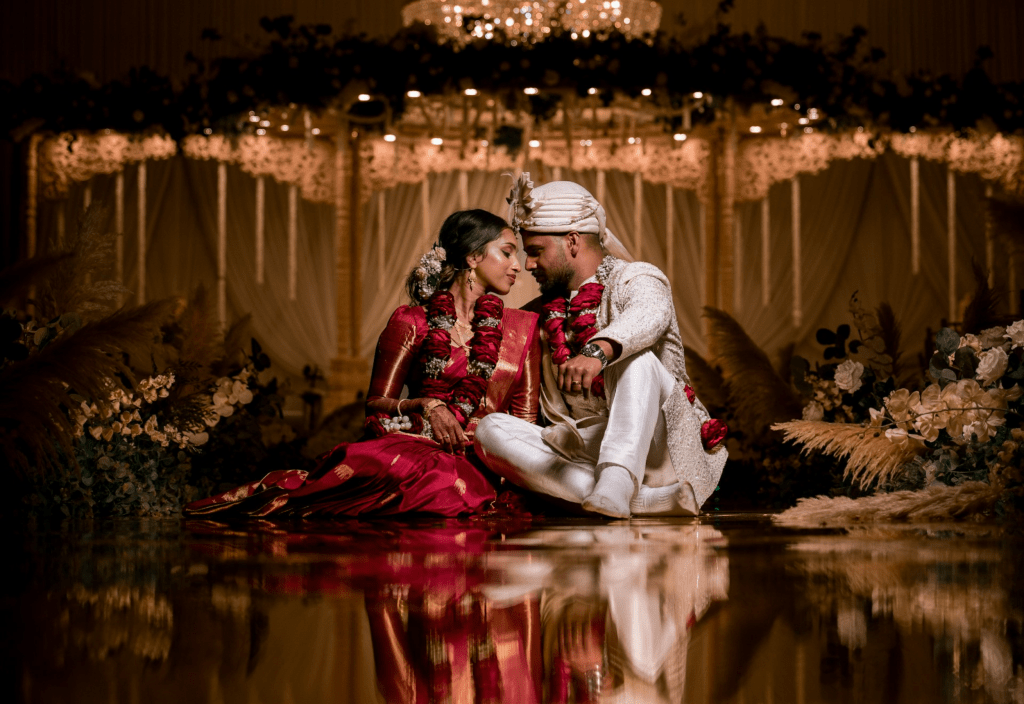
The modern wedding landscape is becoming wonderfully diverse, creating a beautiful collision of cultures. As guest lists grow increasingly global, an invitation to a traditional Indian wedding has evolved from a rare novelty into a celebrated fixture of the social season. A multi-day Indian wedding is a true sensory odyssey and, for the uninitiated, navigating its rituals, customs and dress codes can feel both exhilarating and overwhelming.
The following guide provides a clear introduction to the key traditions and moments, allowing guests to approach the celebrations with confidence and ease.
It’s worth noting that there is no single template for an Indian wedding. Traditions, rituals and even timelines vary widely depending on region, religion and family customs. This guide focuses on some of the most commonly shared elements of a North Indian Hindu wedding, which many multicultural celebrations draw from, while acknowledging that every wedding reflects its own heritage and personal interpretation.
The Structure
Indian weddings differ markedly from the single-day ceremonies many international guests may be accustomed to. Invitations often extend across multiple events, each with its own significance.
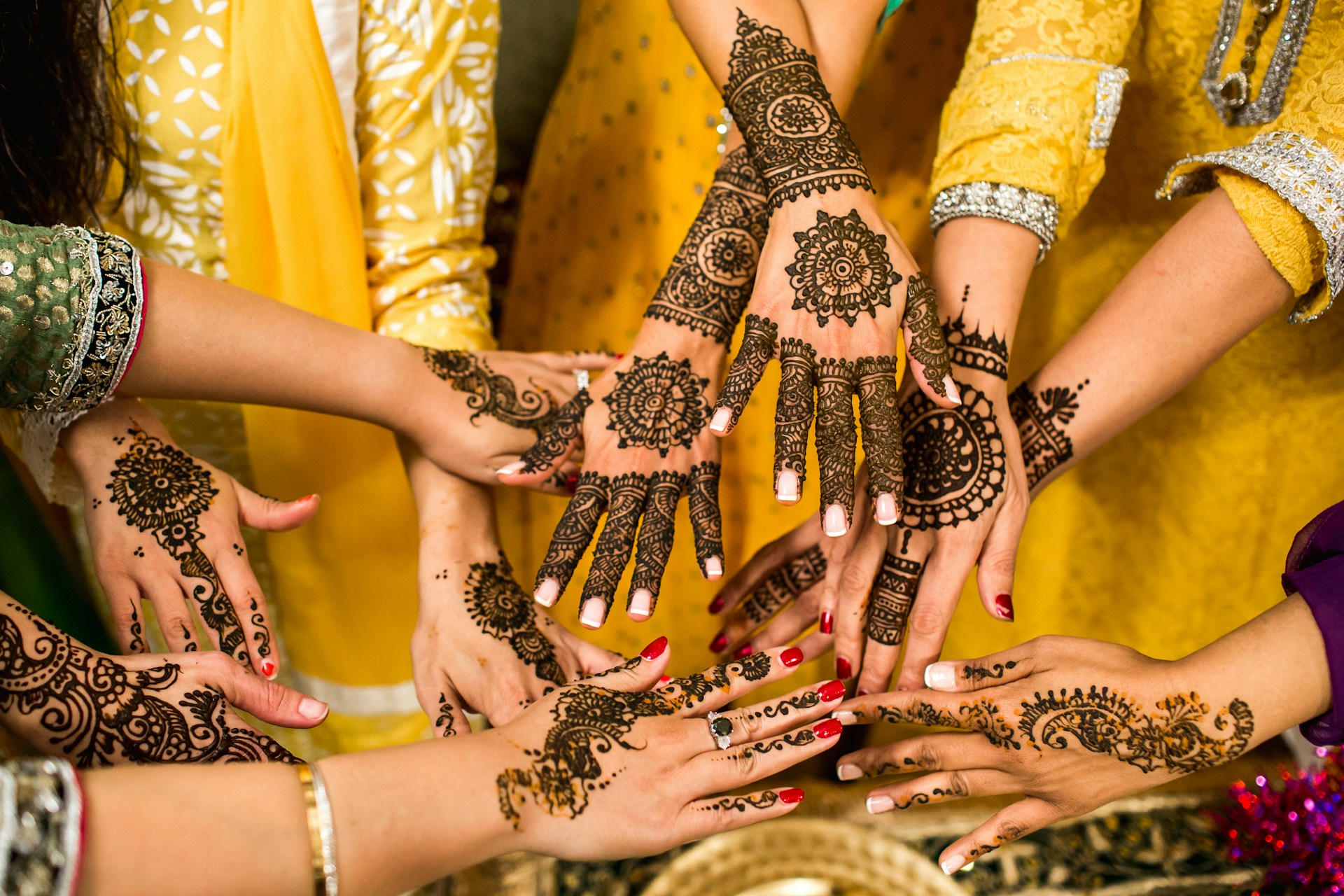
Festivities usually begin with the Mehndi party, where guests receive intricate henna designs, followed by the Sangeet, a vibrant evening filled with music, dance and performances. These lead into the main wedding ceremony, typically followed by a reception. It’s advisable to review your invitation carefully to confirm which events you are invited to attend.
Each occasion carries a different level of formality. The Mehndi and Sangeet are generally more relaxed and social, while the wedding ceremony itself is deeply rooted in symbolism and tradition. Rather than adhering to a strict timetable, guests are encouraged to sit back and take it all in. Start times may be flexible, so while punctuality is appreciated, patience and an easy-going spirit are very much part of the fun.
The Art of the Ensemble
Choosing what to wear is the first step in honouring each occasion. Dressing in traditional attire is warmly encouraged and offers a wonderful opportunity to immerse yourself in the celebration. In a setting where minimalism is rarely the goal, embrace rich, sunlit hues that dance in harmony with the day’s spirit and the lively energy.
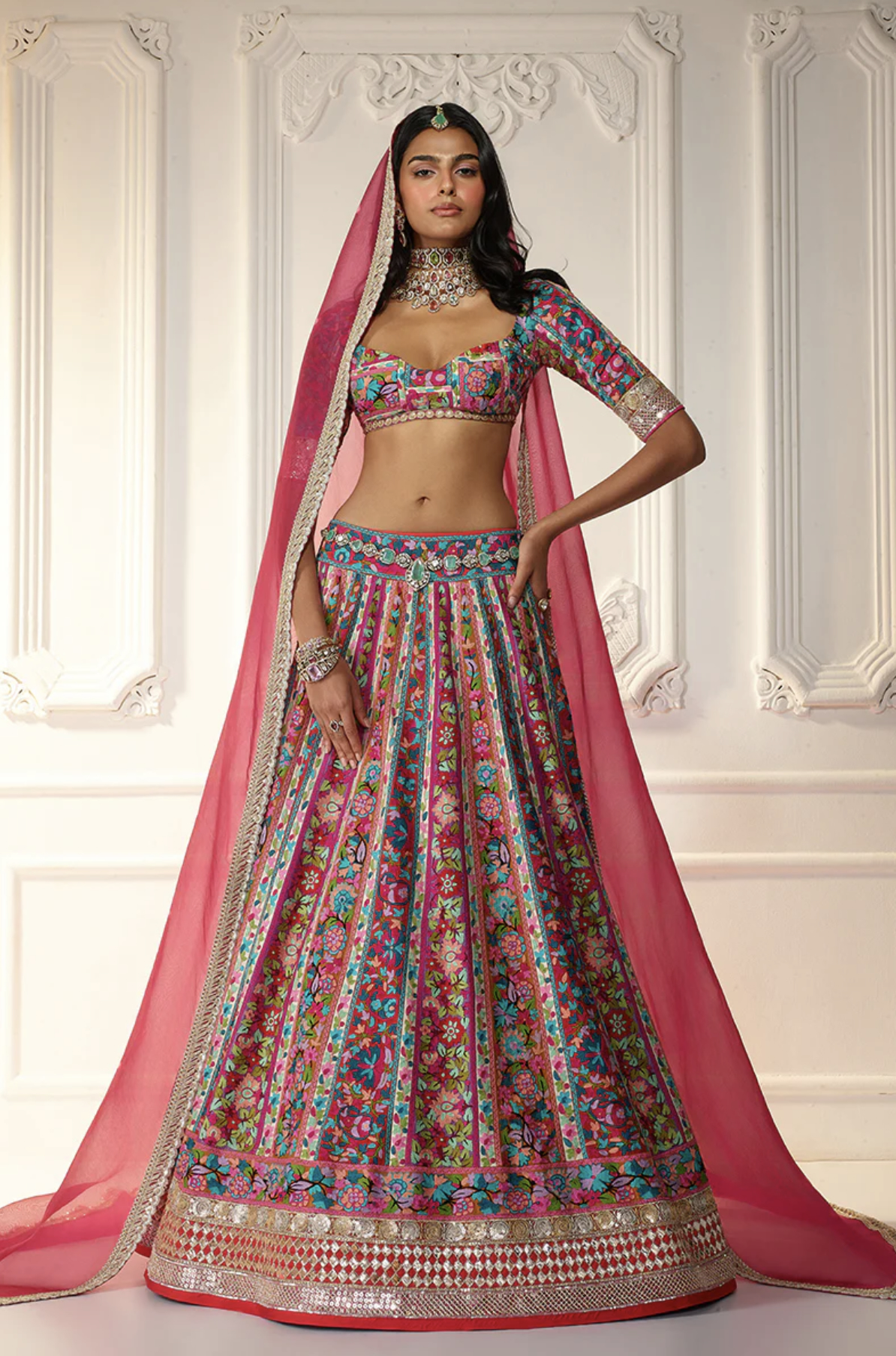
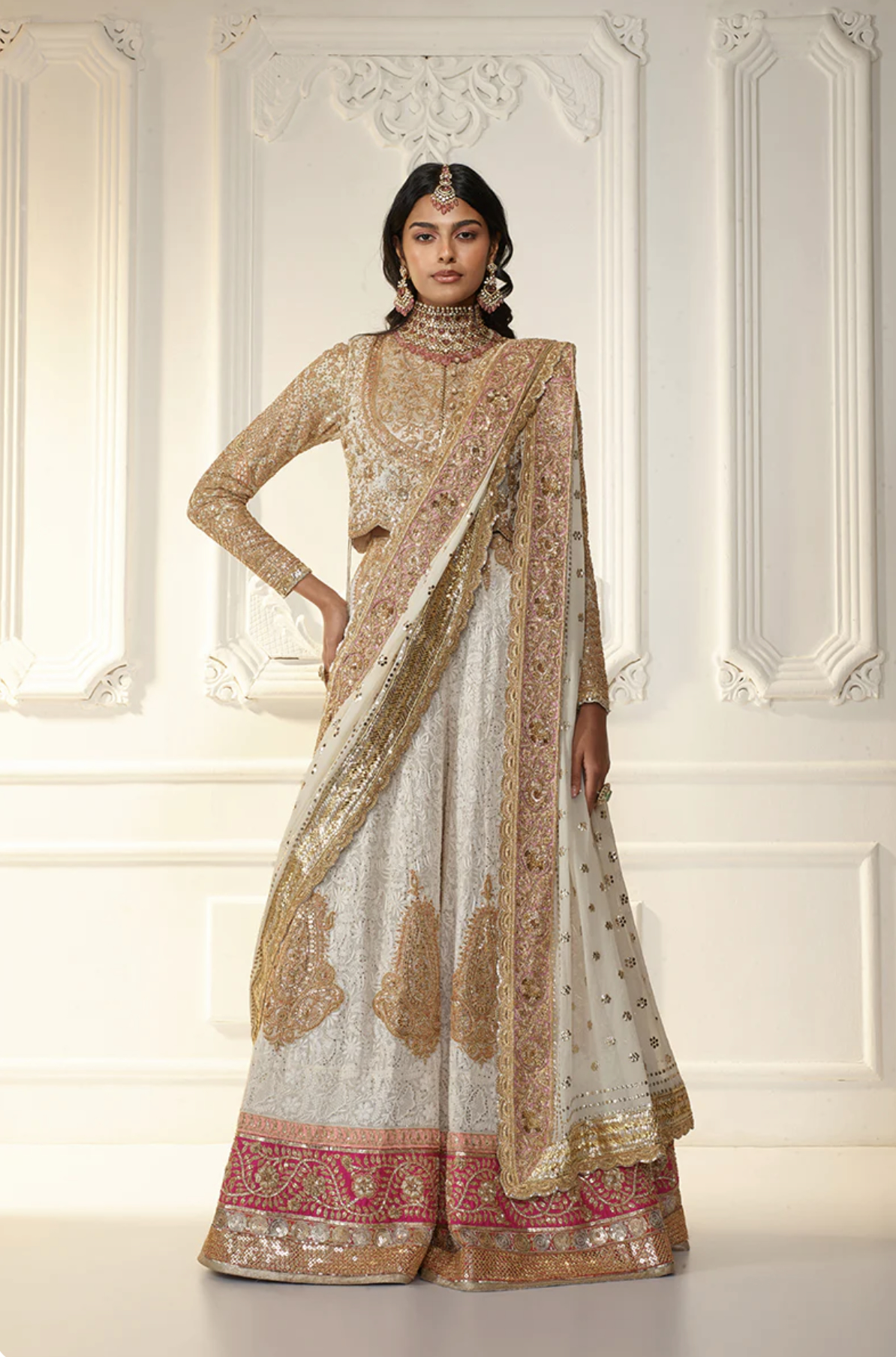
For women, the sari is a timeless symbol of elegance and an undeniably beautiful choice, though its intricate drape can feel challenging for first-time wearers. A lehenga offers a more approachable alternative. Typically comprised of a long skirt, fitted blouse and coordinating dupatta, it delivers a ceremonial look while allowing greater ease of movement during long celebrations.
Colour plays an important role when selecting your outfit, and there are a few unwritten rules to keep in mind. Guests traditionally avoid pure white or solid black, as these can be associated with mourning. Red is most often reserved for the bride. When in doubt, jewel tones such as emerald, sapphire and deep ruby, or brighter, playful shades like marigold and teal, are both elegant and appropriate choices.
Men may opt for a kurta or sherwani, although a tailored suit is usually acceptable unless the invitation specifies traditional dress.
Accessories are encouraged and celebrated, but comfort should remain a priority. Some rituals may require removing shoes, so footwear that slips on and off easily is ideal. If the event is held at an outdoor or heritage venue, consider block heels or flats, as you may be walking across grass, sand or stone.


The Events
The Mehndi is typically a cosy, daytime gathering centred around applying henna to the bride’s and guests’ hands and arms. Lighter fabrics and bright colours are popular, and it’s wise to choose outfits that keep your hands and forearms free while the henna is being applied.
The Sangeet follows as a more energetic evening celebration. Traditionally, it features choreographed performances by friends and family, often rehearsed weeks in advance. The atmosphere is joyful and expressive, making it the perfect occasion to embrace bolder styling, statement jewellery and embellished fabrics.
The Wedding Ceremony
The main ceremony takes place beneath the mandap, a sacred canopy where the couple is married through a series of rituals performed around a holy fire. Central to the ceremony are the Saat Phere, or seven steps taken together around the fire. Each step symbolises a vow, traditionally associated with values such as sustenance, strength, prosperity and lifelong companionship.
Earlier in the day, celebrations may also include the Baraat, the groom’s lively procession to the ceremony venue, accompanied by music, dancing and celebratory energy.

The Lifafa
While wedding registries are becoming more popular, the traditional custom of giving a lifafa remains deeply meaningful. A lifafa is an ornate envelope containing cash and is considered a thoughtful and much-appreciated gesture. It is customary to include a single unit at the end of the amount – such as 101 or 501 – as this “plus one” is considered auspicious, representing a blessing for the relationship to never reach a static end and to continue to blossom. When presenting the lifafa, offering it with both hands is a sign of respect.
The Food
Indian weddings are renowned for their generosity, particularly when it comes to food. Menus are typically expansive, featuring multiple courses and regional specialities. Vegetarian dishes often take centre stage, even at weddings where meat is also served. Guests are encouraged to indulge, explore and enjoy the abundance on offer.
At its heart, an Indian wedding is a celebration of unity – bringing together families, cultures and generations. Approaching the experience with openness, curiosity and respect allows first-time guests to truly appreciate the richness and beauty of the occasion.
Images: Manish Malhotra, Unsplash