Flowers rarely shout. They whisper. They lean in close, speaking of time and season, of tenderness and intention. In the hands of Djordje Varda, they become something more than ornament. They are language.
To encounter a wedding or celebration shaped by Varda is to step into a world where emotion has been carefully, almost reverently, choreographed. Spaces breathe differently. Light settles with intention. Flowers, assembled not as decoration but as atmosphere, invite pause. They ask the guest to feel before they think. This, above all, is his gift: an ability to translate human emotion into living form.
Varda speaks of flowers not as product, but as presence. They are alive, he reminds us, and because they are alive, they carry truth. “I have never seen flowers as products,” he tells Dream Weddings, “a product is something we consume or possess. Flowers are different. They have an energy, a personality and a way of transforming a space and the feelings within it. They bring life into a room, they mark important moments, and they create memories and magic.” It is a philosophy that has defined his career and reshaped the narrative of contemporary floral design, particularly within weddings, where symbolism, ritual and memory converge. “Flowers influence how we feel. I don’t simply arrange flowers to make something beautiful; I create experiences and atmospheres. I want people to feel something when they encounter my work – a sense of emotion, harmony and connection.”
Born in Serbia and raised between cultures, Varda’s early life unfolded across borders. He moved to France as a child, absorbing its codes of elegance and restraint, before returning to the Balkans during his formative years. The oscillation between worlds sharpened his sensitivity to place, to atmosphere and to the invisible weight a room can carry. Long before flowers entered the frame, he worked within luxury fashion and beauty, industries fluent in surface perfection. “Those experiences taught me how to create emotion through texture, colour and composition, but also how important it is to understand people and what moves them.” Yet something essential remained unresolved.
The turning point arrived through Varda’s unwavering fascination with nature and the power that flowers carry. He left behind a carefully constructed life and followed instinct towards floristry, learning not through formal schooling but through observation, discipline and an almost devotional attention to the natural world. “Flowers are a language,” he explains. “When I work, instinct always comes first. I listen to the flowers, to the space and to the atmosphere I want to create. Technique then supports that vision and allows it to take shape. The most beautiful work happens when those two elements are in balance.”
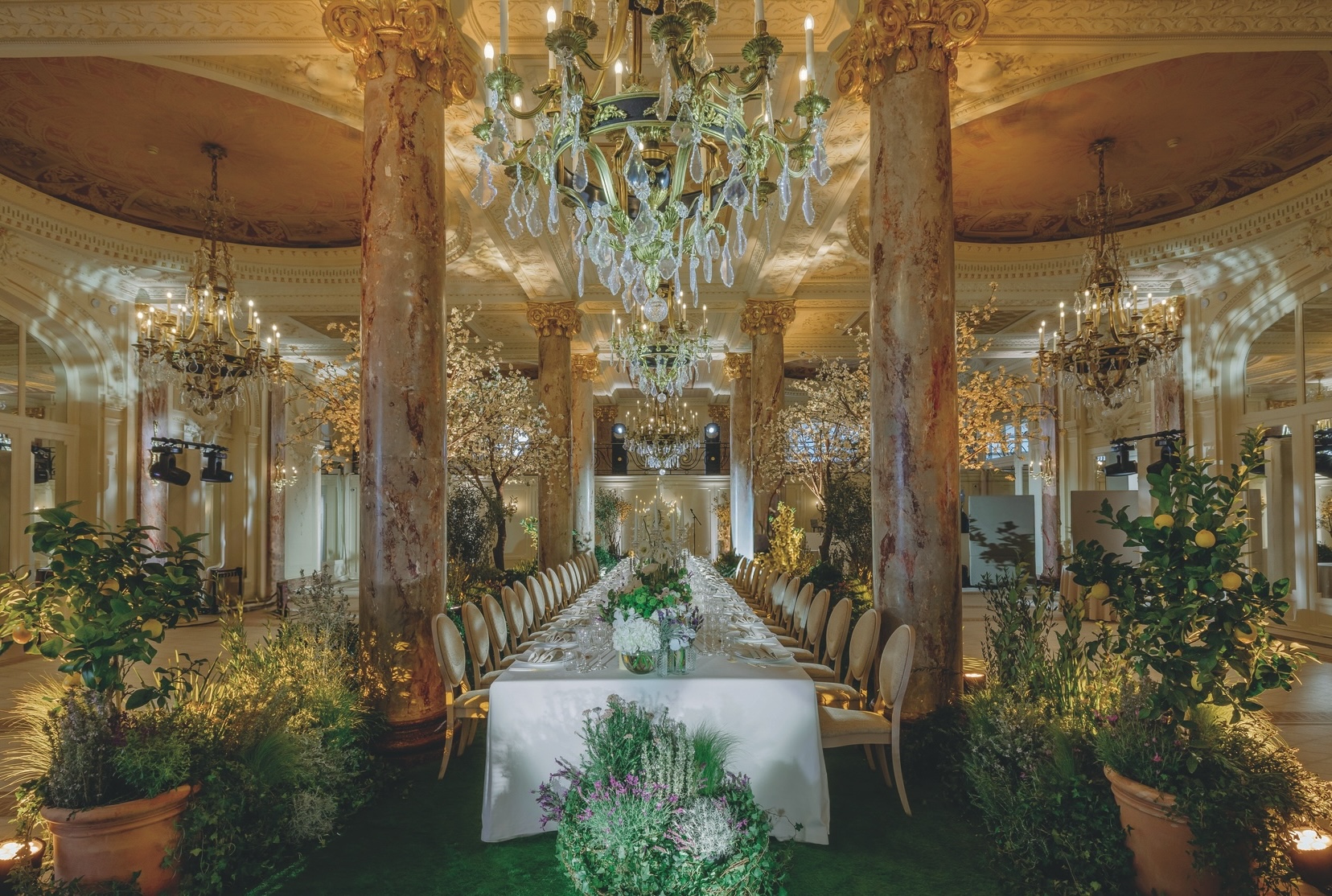

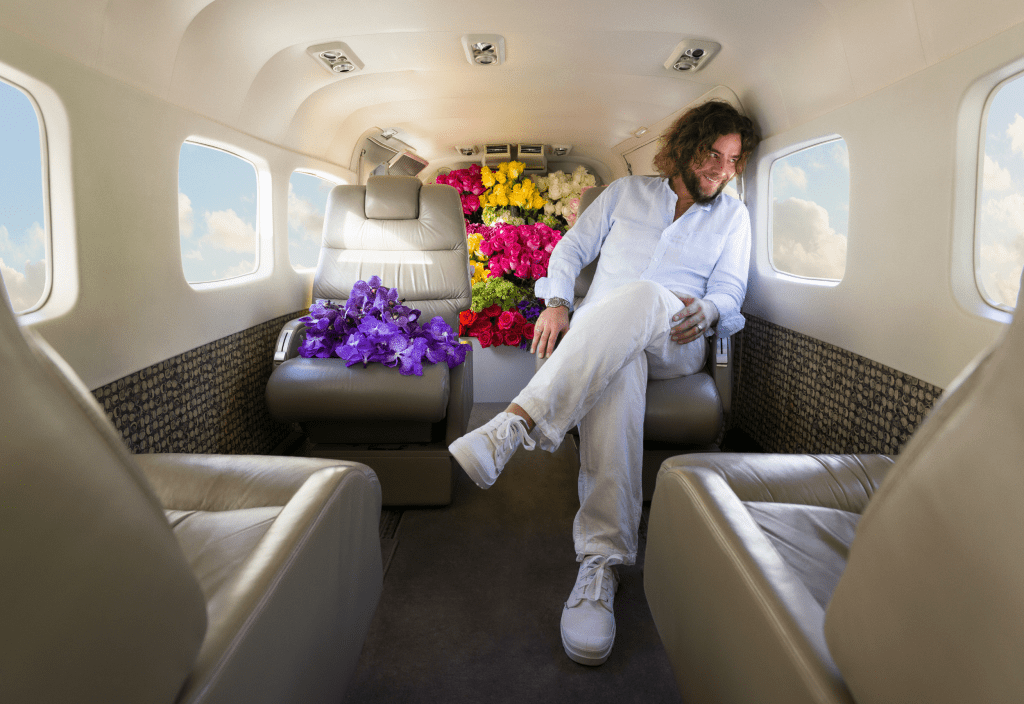
Today, he lives and works in St Barths, an island whose light and rhythm suit his sensibility. “St Barths captivated me because it offers a rare balance between sophistication and untouched natural beauty. There is an elegance to the island, but it never feels forced.” Here, he operates from an atelier close to the sea, far removed from the traditional florist’s boutique. From this intimate base, his work travels outward, appearing in palaces, private residences and cultural landmarks across the world.
Among them is Eden Rock, St Barths, where Varda oversees the floral installations for the iconic hotel. Flowers respond to the island’s light, its salt air and its unstudied elegance. Arrangements change with the day, with the season and with the mood of the place itself. Everything feels intentional, yet never imposed.
A similar dialogue unfolds at Carlton Cannes, where Varda’s floral compositions regularly transform the hotel’s storied spaces. Here, history and glamour demand a different register. Flowers rise to meet the architecture’s grandeur, yet always retain softness. They frame rather than dominate, enhancing the ritual of arrival and the choreography of hospitality. In both places, Varda understands that flowers are not an accessory to luxury; they are an expression of it.
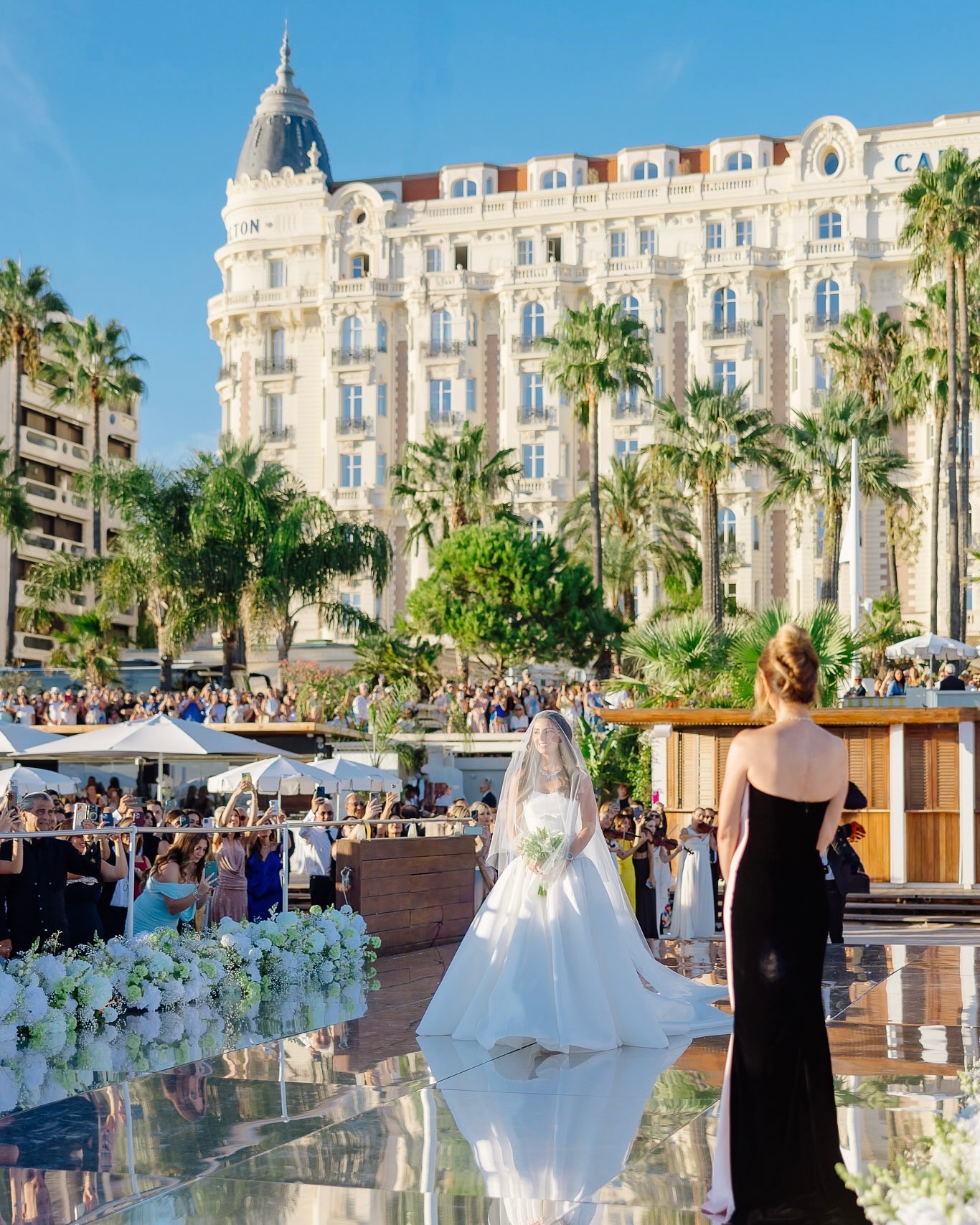
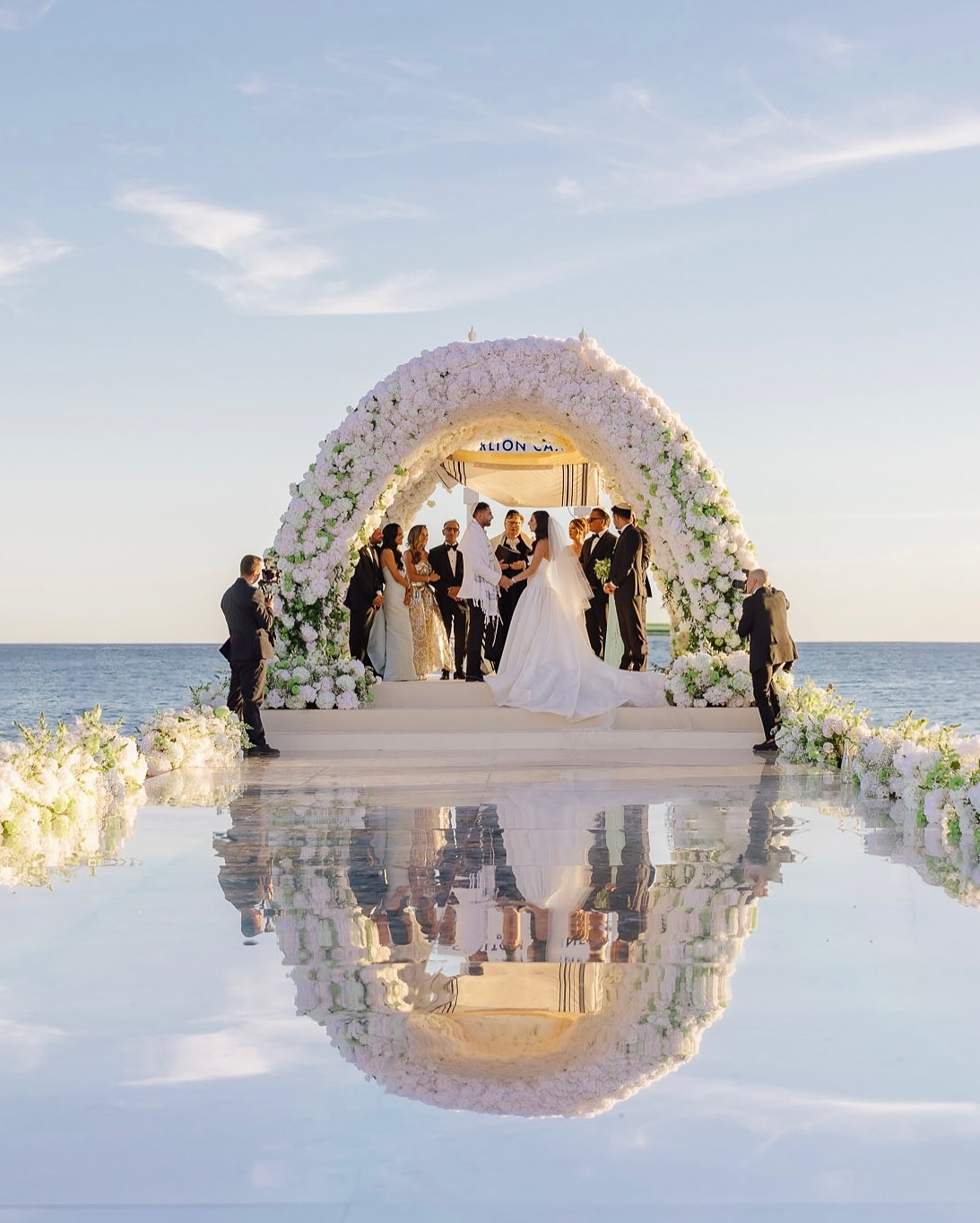

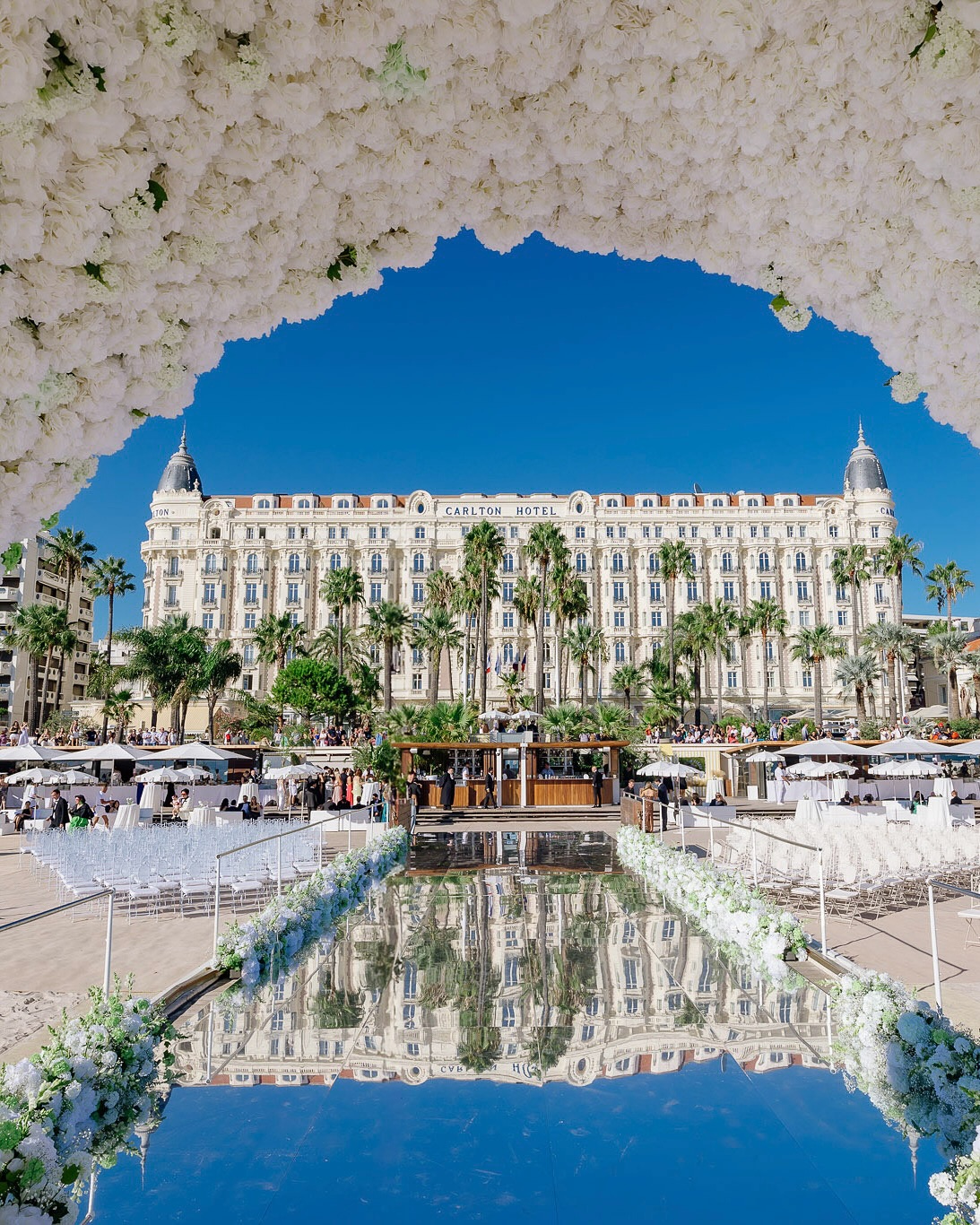
This acute sensitivity to context defines his approach to weddings. For Varda, a wedding isn’t a theme to be executed but a story to be translated. He resists the tyranny of repetition and never begins by talking about flowers. Couples are not asked for references, but for feeling. “Who are you together and how did you meet? How do you want the space to move? How do you want your guests to feel?” He gathers emotions first, then uncovers whether they envisage romantic or contemporary, calm and understated or joyful and vibrant. “I also ask about the location, the light, the landscape and the season because all of these elements become part of the design. From those conversations, a visual image begins to emerge naturally. The flowers are never the starting point.”
His work often carries scale, but never aggression. Even at its most monumental, it feels organic, as though it might have grown there overnight. Branches arc rather than insist. Orchids spill and climb. Blooms are allowed their imperfections. Perfection, Varda believes, is lifeless.
Weddings, in particular, offer him a generous creative canvas. They permit emotion without irony and beauty without apology. Guests will remember the dress, certainly, but they will also remember how the room felt upon entry. How scent anchored memory. How flowers shaped the emotional architecture of the day as surely as music
or ritual.
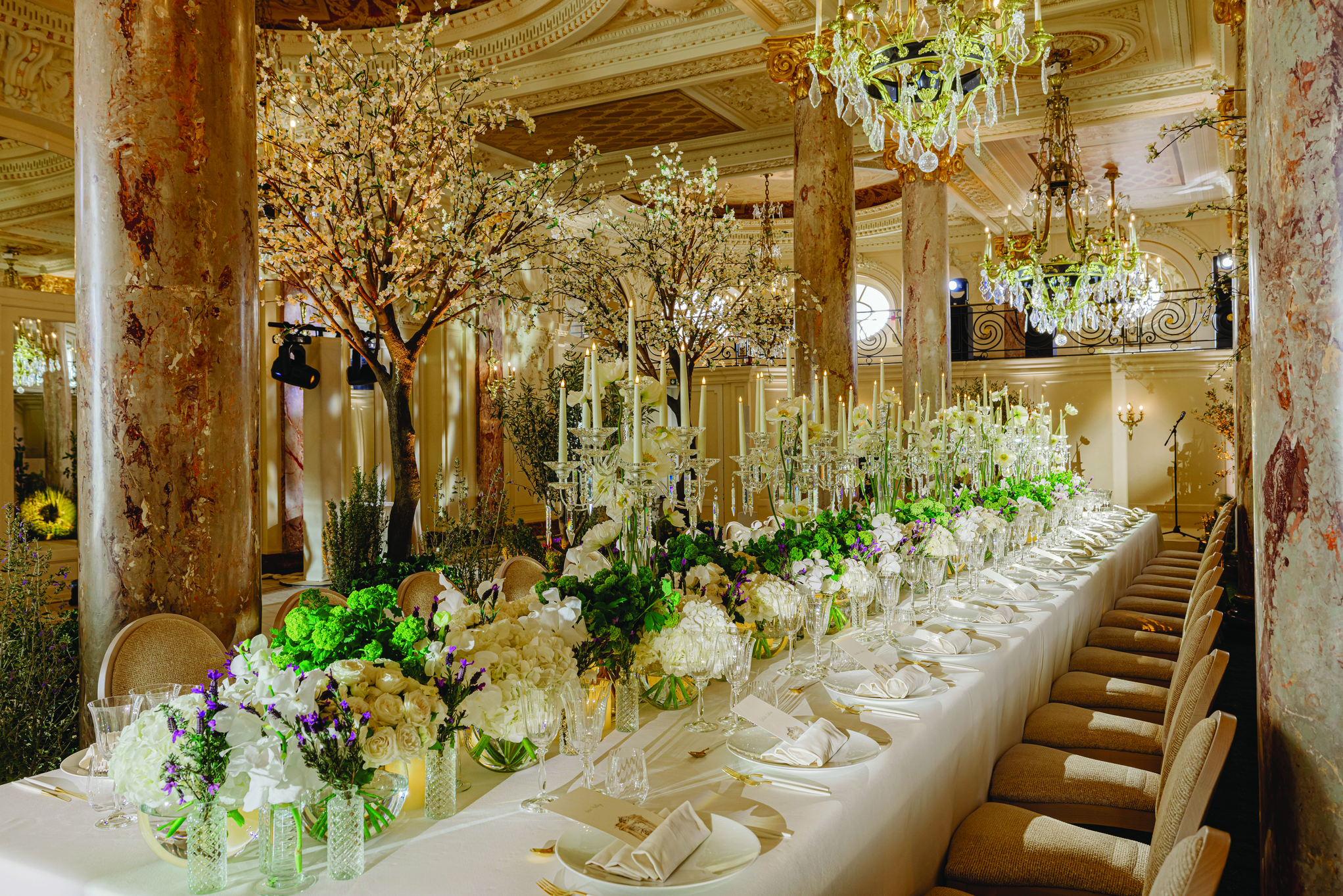
This attunement has drawn an international client base and marked some of the most widely photographed weddings of the past decade, including Pippa Middleton’s countryside celebration, where blossoming cherry trees transformed the room into something between dream and reality. It was theatrical, yet grounded in season, sincerity and restraint.
Despite global recognition, Varda remains instinct-led rather than brand-driven. He avoids trends and repetition. “Trends can be inspiring, but it is not what I want to do. I am more interested in creating something that still feels relevant and beautiful years later. To achieve that, I focus on authenticity rather than something trendy.” Each project is built anew, guided by climate, light, season and the human story at its centre. He has been known to decline commissions that demand imitation. Better to walk away, he believes, than to compromise the integrity of the work. “I want people to look back years later and feel that the flowers belonged perfectly to that moment and to no other. That, to me, is the essence of timeless design.”
Perhaps this is why his flowers resonate so profoundly. They do not proclaim the designer’s ego. They create space for something quieter, more enduring. In an industry so often driven by spectacle, Djordje Varda offers a gentle counterpoint, reminding us of the lasting power of restraint, and of poetry over prescription. It is this approach, delicate yet assured, that will define his legacy. Of that, there is little doubt.
IMAGES COURTESY OF DJORDE VARDA / ROMEO BALANCOURT / ALBAN PICHON / CARLTON CANNES