The air was warm and faintly salted as we stepped out of the plane. Hopping into a waiting vehicle, we bumped along a road that curved through Vilanculos. The town rolled past, dusty and alive, dotted with markets and slow-moving pedestrians. Children in their uniforms spilled out of schoolyards and small stalls lined the roadside, where women, with bright capulanas wrapped around their waists, chatted beside buckets of vegetables, spare parts, crafts and curios. Shabby and dusty yet charming, Vilanculos exuded that laid-back kind of atmosphere that immediately makes you feel like you’re on vacation.
Soon, the town gave way to palm trees and occasional glimpses of ocean. And then there it was, Saudade. Perched above the beach, its clean lines and thatched roofs framed by bougainvillaea and the sea beyond. It didn’t look like a hotel or a resort. It looked like a home you’d somehow always known. Stepping out of the vehicle, I inhaled deeply.
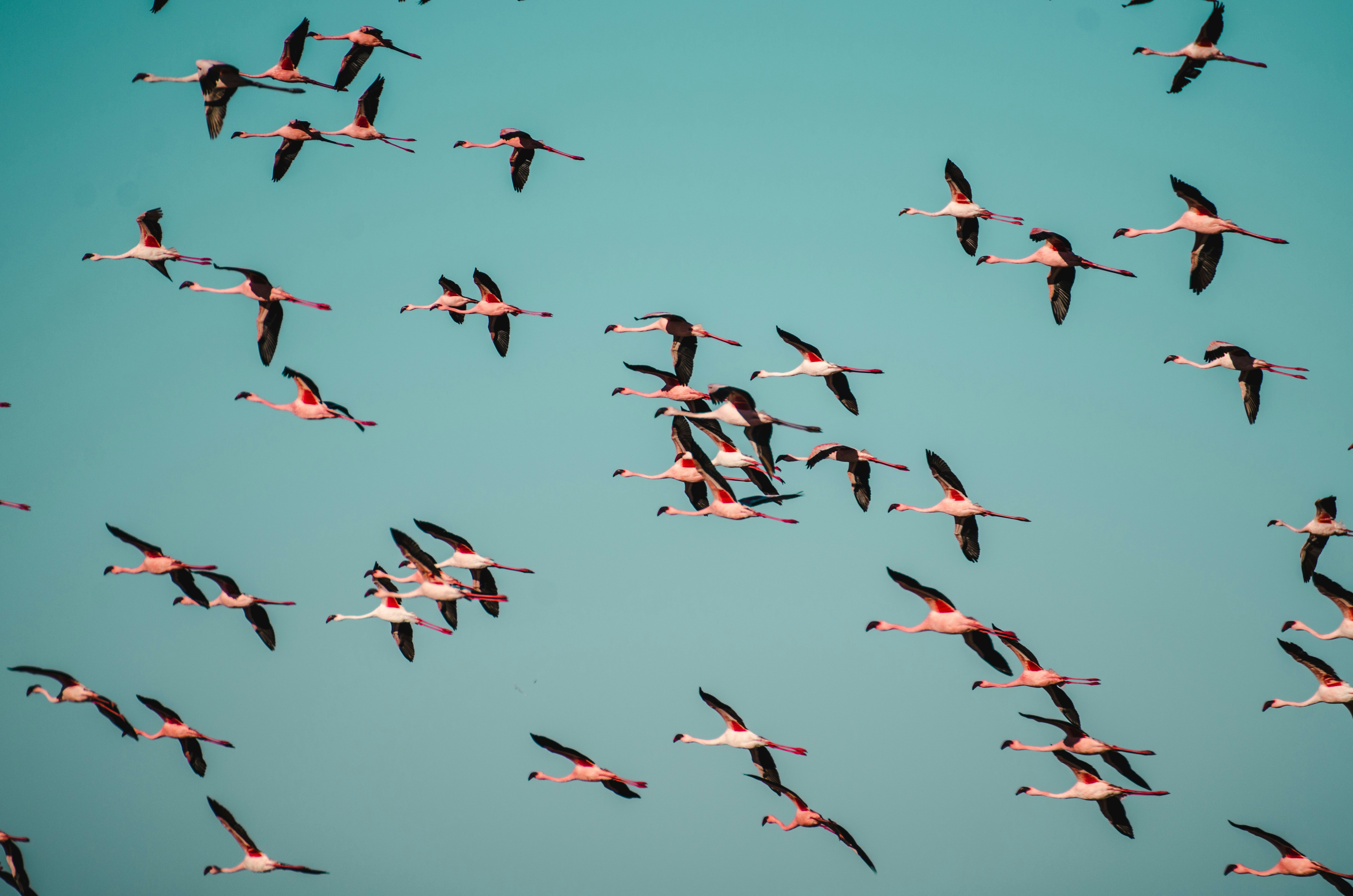
As we came through the doors and out onto the terrace, a flock of flamingos, wings wide and legs trailing, moved in slow formation above the water. Their wings glowed coral and rose, the sea below was a mirror of blues and silvers shifting in the sunlight. We stood in silence, watching as they flew, like brushstrokes of colour dissolving into the horizon.
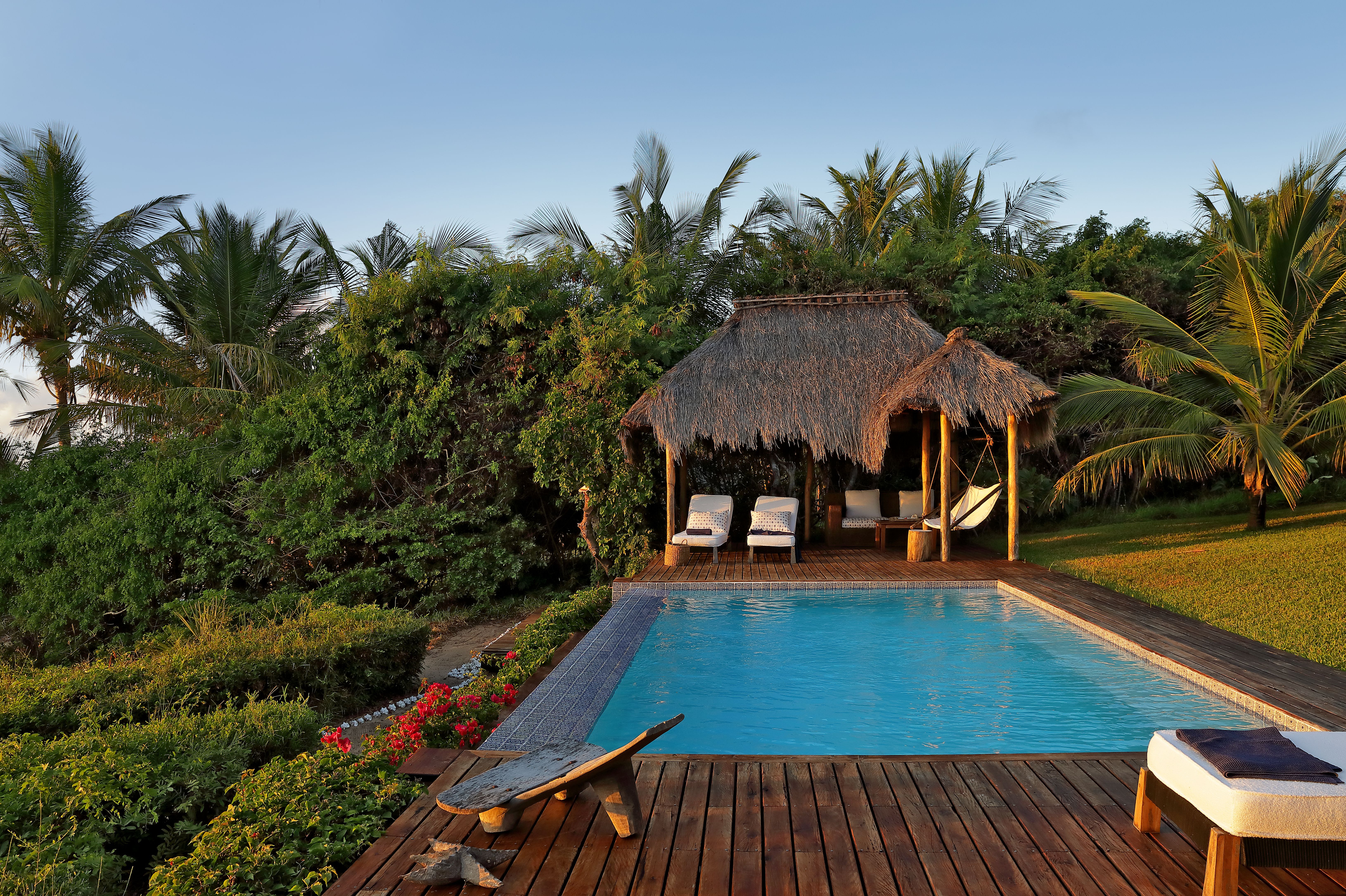
The villa felt fabulously open with its huge open- plan spaces, high, thatched ceilings that let in the breeze and windows that framed the ever-changing skies. Indoors flowed into outdoors: from the breezy dining terrace to the sheltered lounge and bar, from quiet corners made for books and contemplation to the palm-framed infinity pool.
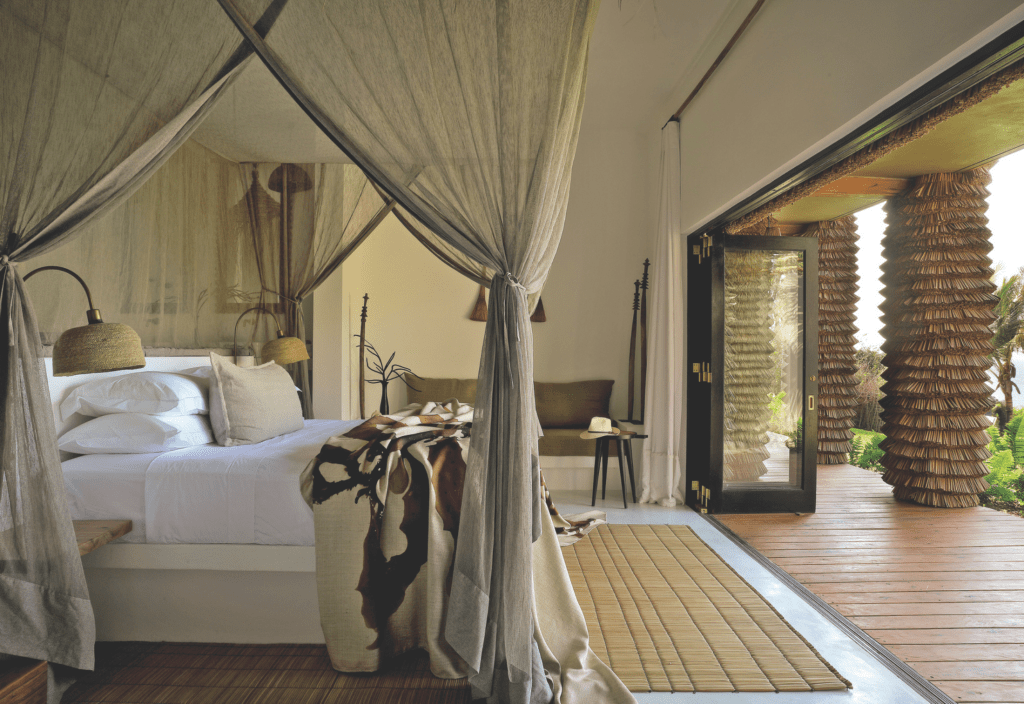
Our room faced the sea. The bed was draped in white netting, and the entire space was textured and tactile. Woven baskets tucked neatly under benches, carved wood, soft cotton throws and smooth floors underfoot – everything had been chosen with care and nothing felt excessive; everything felt deliberate. I stood by the shuttered windows watching as the fishermen pulled in their nets.


The rhythm of Saudade revealed itself quickly. I would wake early, to the sound of waves and the scent of coffee. Then, wandering barefoot down to the beach, I’d watch the morning light rise over the water. Long strolls along the sand were followed by breakfast back at the villa, out on the terrace, with views that never seemed to repeat themselves.
After breakfast one morning, we ventured into town to explore the market. Our guide had an ease about him, flipping between Portuguese, English and local dialects as he chatted with us and the vendors. We stopped to look at the piles of dried fish and clams, mounds of chillies and mountains of coconuts.
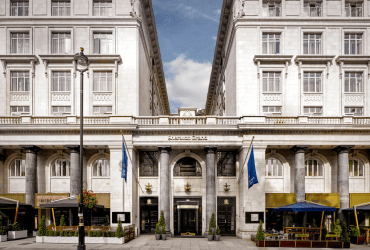
We passed by a stall selling matapa made with cassava leaves cooked with garlic, peanuts and coconut milk. It smelled of spices, and looked thick, rich and deeply comforting. We wandered past village houses, always greeted with a smile and a wave. Clambering aboard a tuk-tuk, we rode through town, down to the port and the old Hotel Dona Ana. Built by Joaquim Alves in 1962 as a declaration of his affection for his beloved wife, the Art Deco hotel had, in its heyday, played host to scores of local and international tourists.
On another morning, we boarded a small dhow, its sail patched and wooden hull weathered by years of sea and sun, and set off in search of seahorses. The tide was low, the water barely waist-deep. Our guide, Ilídio, slipped into the water, motioning for us to follow. We waded quietly, the seagrass brushing against our legs. Ilídio moved slowly, gently parting the blades of seagrass with his hands, until suddenly he paused and pointed. A seahorse, no bigger than my thumb, clung to a stalk with its delicate tail, almost invisible except for its glimmering eye. We saw more that day, each one strange and beautiful – some pale, some rust-striped, all impossibly still. No nets or interference – just quiet observation, as if we’d stepped into another world and been trusted not to disturb it.
Another day, we headed out to Magaruque Island for snorkelling and a picnic. We reached the island by boat, the water flashing turquoise and indigo as we skimmed over the shallows. Masks, snorkels and fins on, we dived over the side of the boat and drifted over colourful corals, electric-blue parrotfish, surgeonfish, butterfly fish, clouds of anthias and even a lone dolphin.
Soaking wet and done with snorkelling, we returned to the boat and headed to shore. Stepping into ankle-deep water, we walked towards the beach, the sand so fine it squeaked underfoot. While a billowing blue tent and a picnic table were being set up, we circled the island on foot before climbing the sand dunes at the heart of the island. From the top, we looked out over the curve of the beach and the reef beneath us, while the mainland shimmered in the haze on the horizon.


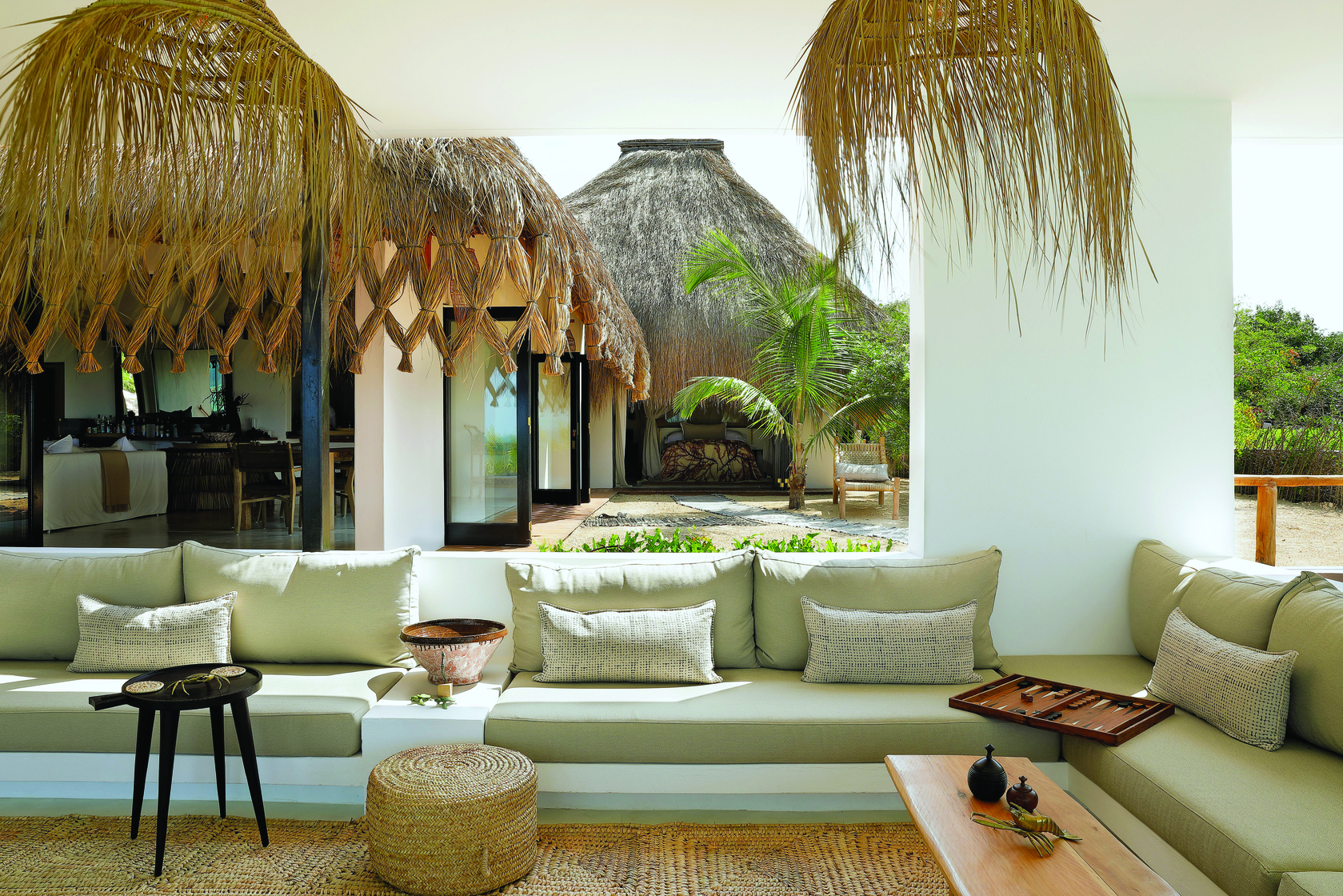
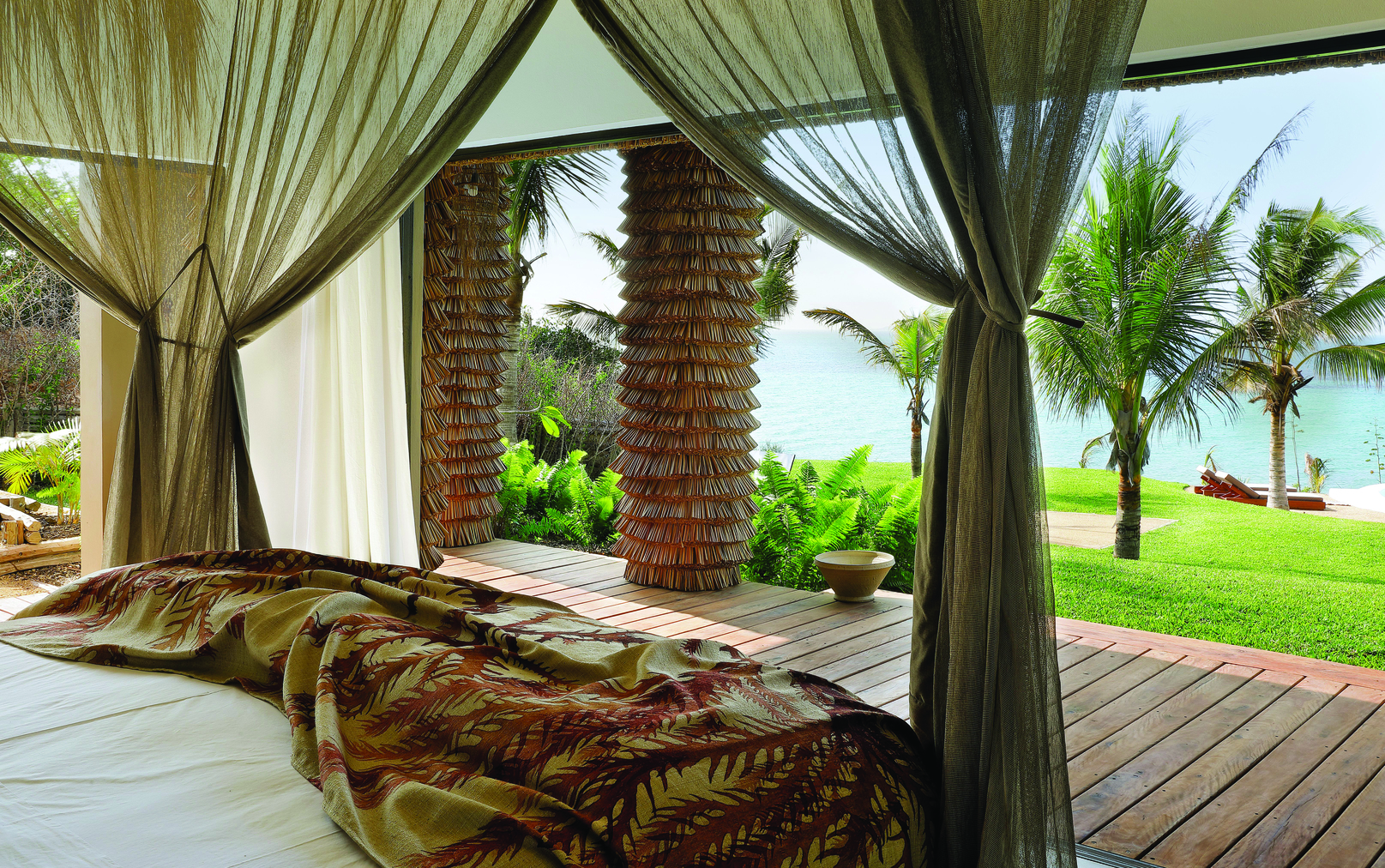
Back at Saudade, the days began to blur in the best possible way. Mornings spent walking the beach at low tide, the sea pulling back to reveal a beach where you felt you could walk forever. Evenings on the terrace, watching as the sky shifted from lavender to indigo, and the ocean disappeared into darkness, while listening to the soft clink of ice in our glasses.
Then there was the food. Meals were a highlight, not in an overly flashy way, but in that satisfying way where everything is fresh, thoughtful and full of flavour. Freshly caught fish, grilled prawns, delicate calamari and delectable crab are prepared perfectly by a kitchen team who were sincerely talented. We usually ate outside, with the sea for a soundtrack.
The final morning came, and I didn’t want to leave. The sea was flat and still, and the sky just beginning to flush pink. I stood barefoot by the edge of the pool, cup of coffee in hand, trying to fix the moment in my memory. Indulgent, peaceful, romantic and special, Saudade is the kind of place you don’t just visit, but quietly carry with you long after you’ve left.
Images courtesy of Saudade