
Fashion and weddings have always spoken the same language. Both are about beauty, imagination and emotion. Both tell stories through detail and design. And both have the power to transport people, even if just for a moment, a world that feels more beautiful and inspired than the one outside.
Over the years, I have seen how deeply fashion influences the way we design weddings. It is no longer only about what brides wear.
The world of fashion, from couture to ready-to-wear, shapes the way we think about colour, texture, form and atmosphere. What begins on a runway often sets the tone for how we create celebrations in the years that follow. The influence is not literal but emotional. It comes through in the way we approach light, in how we layer materials, in the tone of the palette and in the story we want to tell.
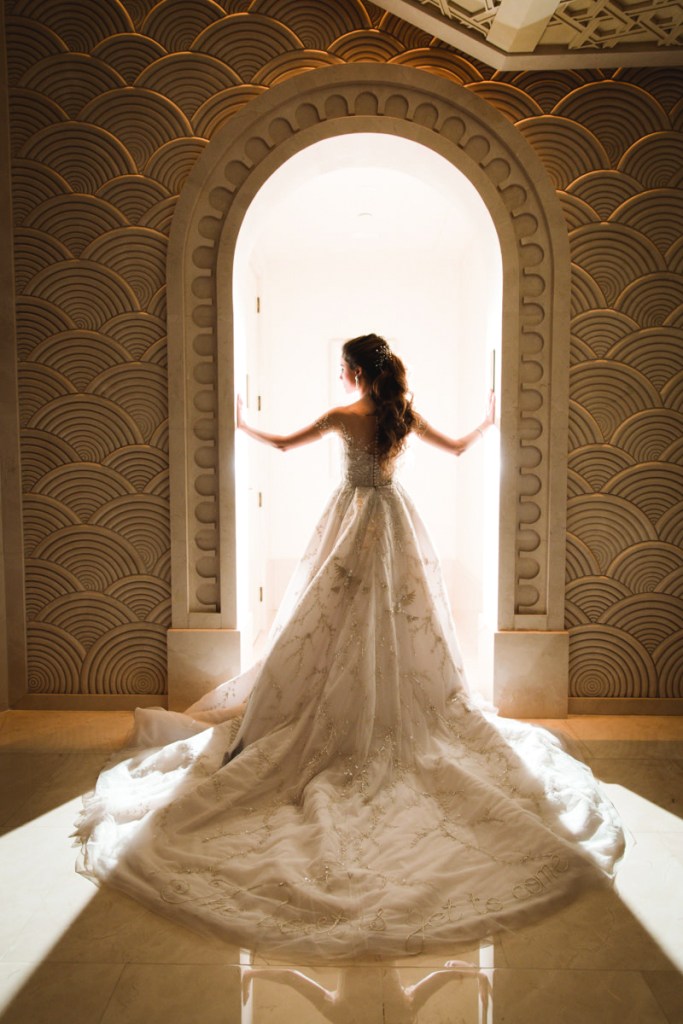
Sometimes brides come to us with a fashion editorial that has moved them, drawn to its tone, its colours or the way it makes them feel. Other times, it is their gown that becomes the starting point. The craftsmanship, texture and embroidery of a dress can inspire an entire design direction.
I love when a single element from fashion becomes the thread that runs through everything else. We have recreated the embroidery of a gown in the design of a wedding cake, echoed fabric textures in custom linens and projected delicate lace patterns as animated light across walls and dance floors. Fashion becomes the muse and the wedding becomes its living, breathing interpretation.

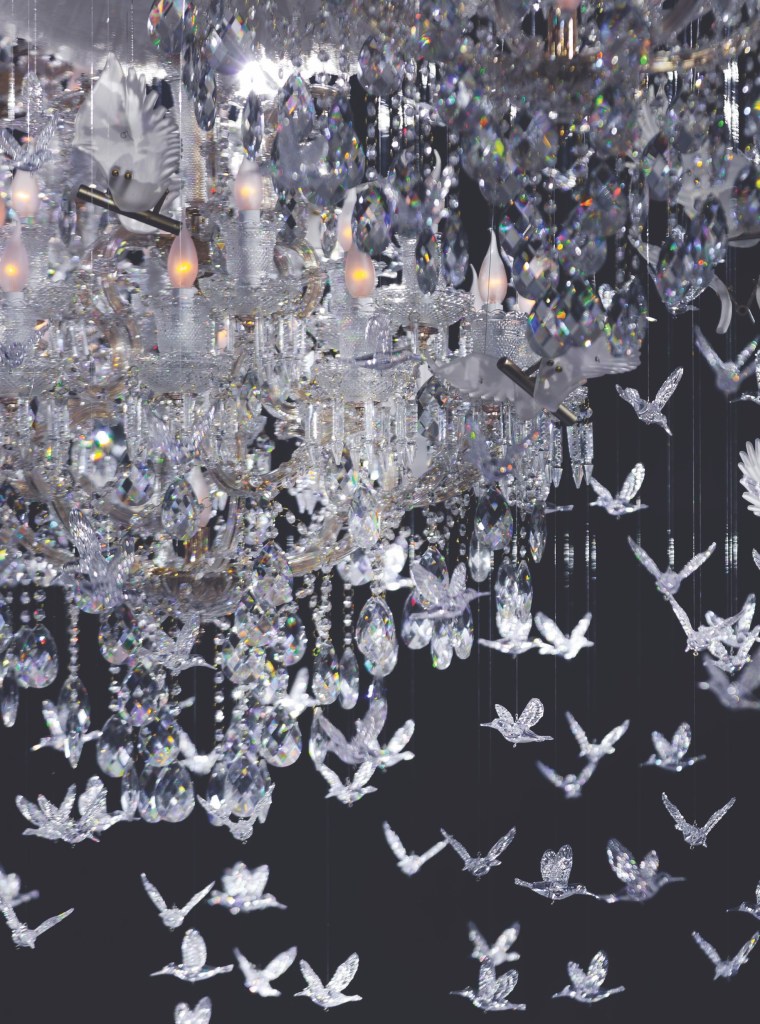

Runway shows have also become a tremendous source of inspiration. Fashion houses today create experiences that go far beyond showing a collection. These shows are immersive works of art that combine architecture, light, sound and storytelling. They are temporary environments, meticulously designed to create a mood and leave a lasting impression.
As event designers, we are constantly studying how they do this. The way a designer uses scale, movement and light to guide emotion teaches us so much about building atmosphere. Fashion shows and weddings are both ephemeral works of art. They exist for a short moment but live on through the feelings they create.
Fashion trends also directly influence wedding trends in terms of colour and material direction. The tones seen on the runway often find their way into floral palettes, table settings and lighting. When the fashion world embraces soft caramels, muted lilacs, sage greens and warm metallics, we begin to see those same hues shaping weddings.
Materials follow the same rhythm. When fashion moves toward tactile layering, transparency or sheen, we explore similar effects in fabrics, drapery and decorative surfaces. Couture craftsmanship, metallic threadwork and structured tailoring often inspire the way we treat floral arrangements, table linens and stage design.
The creative link between the two worlds is constant and endlessly inspiring.
In recent years, I have noticed a powerful shift in what couples care about most. The experience has become the true priority. They want their wedding to look extraordinary, but more importantly, they want it to feel extraordinary. They want to create an experience that touches all the senses.
The sound of the music, the scent of the flowers, the texture of the linens and the way the lighting shifts as the evening unfolds – every detail matters. Nothing is too small to be considered. When all these layers come together, guests do not just see beauty, they feel it. That is what transforms an event into an experience and what makes it stay in memory long after it ends.
Fashion has always understood the power of emotion through detail. It teaches us that texture, proportion and craftsmanship are what bring design to life. The same philosophy applies to weddings. The artistry is not in how much you do, but in how thoughtfully you do it. Luxury today is defined by intention and by the invisible layers of care that hold everything together.
The placement of a candle, the rhythm of a reveal and the softness of light across fabric, these things create meaning. Designing a wedding, to me, is a form of set design. It is about creating a world where every sense is engaged, where design becomes emotion.

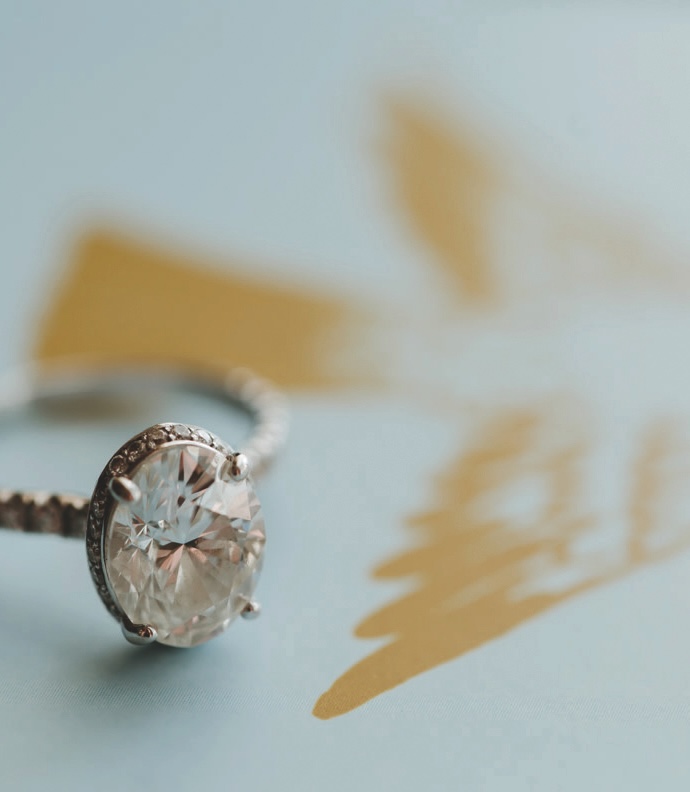


The influence of fashion reminds us to think cinematically, to tell stories through space, to choreograph feeling. Every celebration should have its own rhythm, from the quiet anticipation before the ceremony to the energy of the dinner and the joy of the finale. That is where design and emotion meet.
In places like Dubai, my home, where couture and culture coexist so naturally, this connection feels especially alive. The city’s energy and scale invite creativity, and fashion’s influence gives it shape and polish. Here, we see global trends reinterpreted through regional artistry, resulting in celebrations that feel contemporary yet deeply rooted in tradition.
As we move further into 2026, the relationship between fashion and weddings continues to grow. Boundaries between creative industries are blurring, and weddings are becoming more experiential, more layered and more expressive. Couples today are not asking for a theme; they are asking for a feeling and an atmosphere that is personal and emotionally resonant.
Fashion continues to guide us in that journey. It shows us that design is never only about how something looks; it is about how it makes you feel. When that lesson is brought into the world of weddings, something truly magical happens. Beauty becomes emotion, and every detail becomes part of a story that will be remembered forever.
Images courtesy of Carousel Events / Daniella Baptista